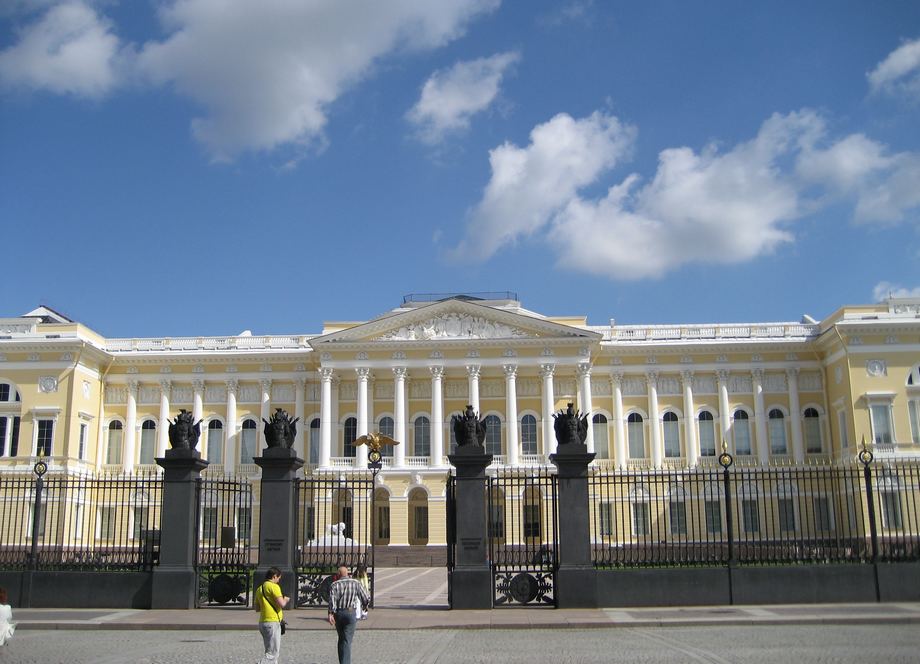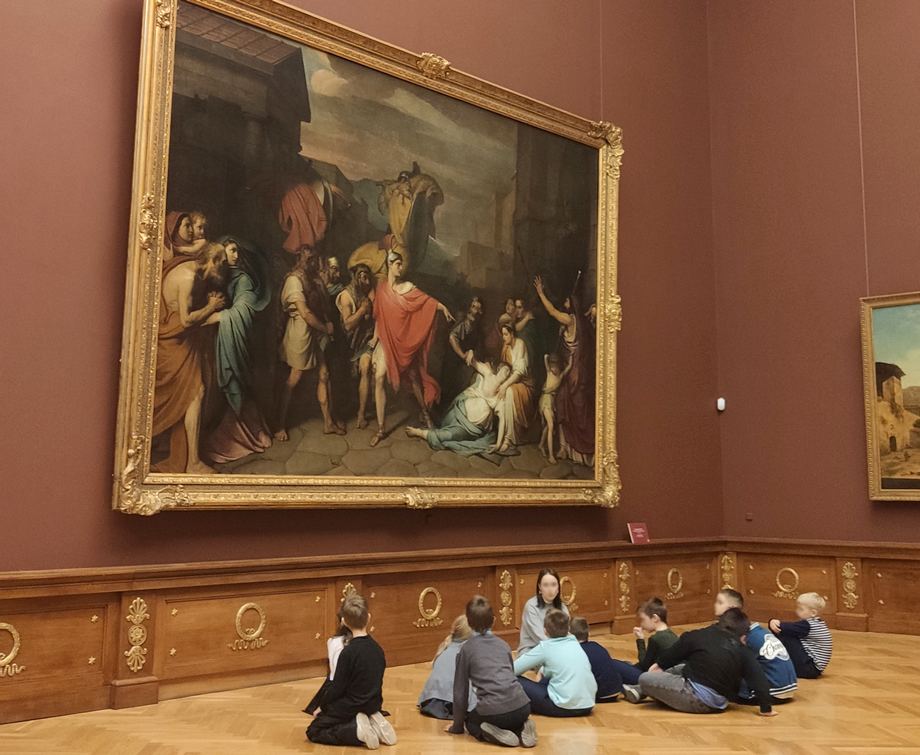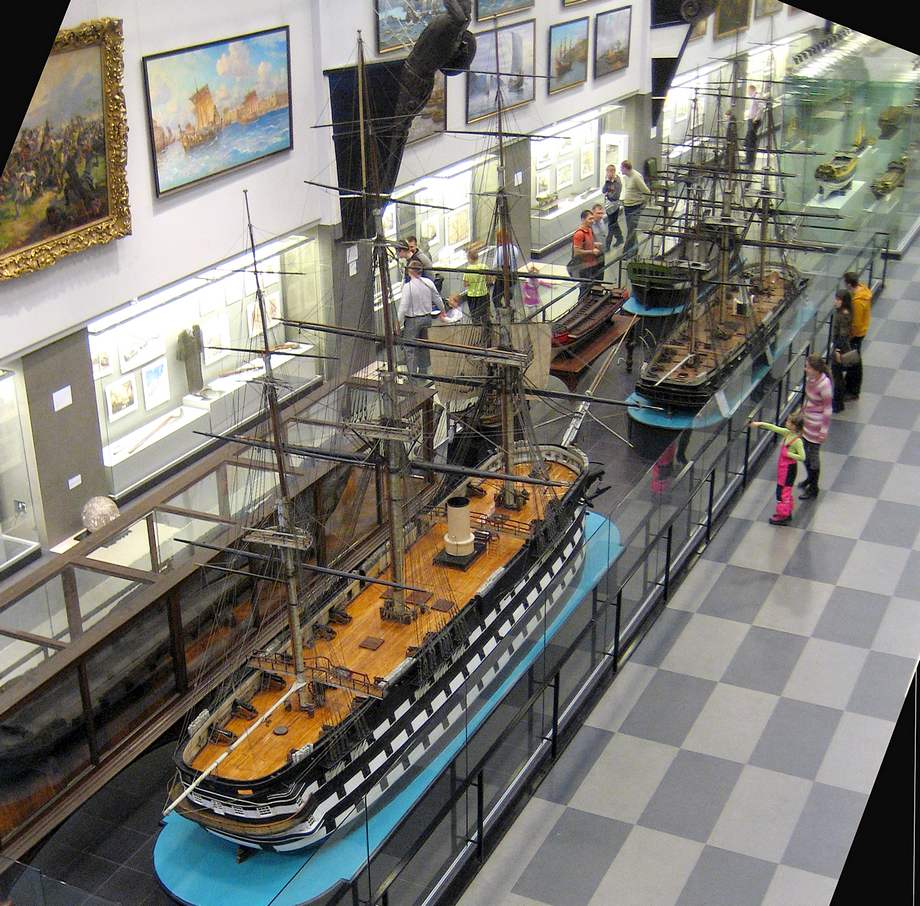
The Hermitage Museum is the most famous and popular museum in St. Petersburg. It is the largest art and cultural-historical museum in Russia, and one of the finest museums in the world. The Hermitage Museum has several branches in St. Petersburg, as well as exhibition spaces in other Russian cities.
The Hermitage is a must-see for all tourists interested in museums, history, culture, and art.
Main Information
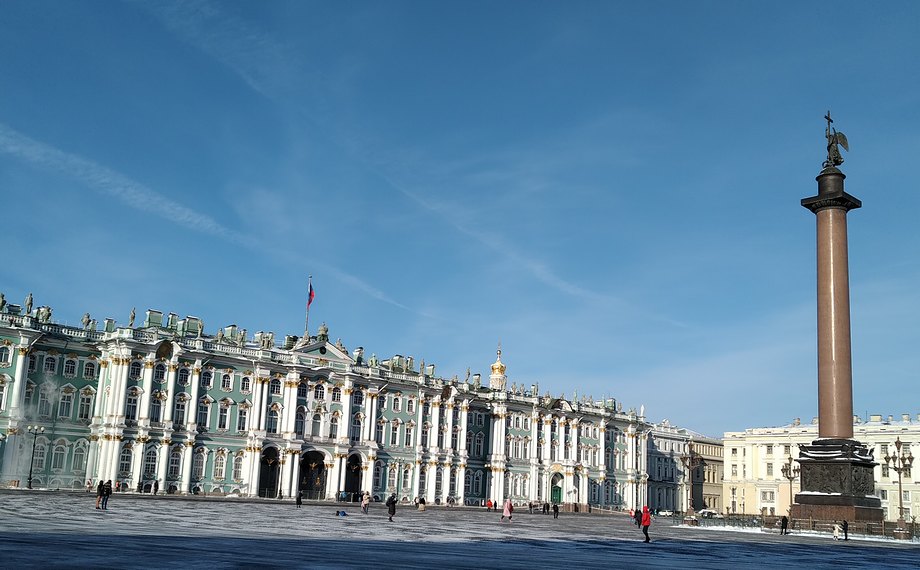
The Hermitage Museum’s main exhibitions are housed in several buildings in the center of St. Petersburg, near the banks of the Neva River.
The main museum complex consists of six buildings located near Palace Square.
The Winter Palace, the residence of the Russian emperors until 1917, is considered the museum’s main building.
The museum’s exhibitions occupy over 300 halls and are housed in buildings known as the Winter Palace, the Small Hermitage, the Old Hermitage, and the New Hermitage. The Main Museum Complex also includes the Hermitage Theater and the Spare House.
Visit
Entrance tickets for the main category of visitors are 700 rubles (2026 rubles) (Main Museum Complex). Discounts are available for many categories of visitors.
Tickets to the Hermitage are sold in the foyer near the museum entrance, but it is recommended to purchase them in advance on the museum’s website. (Entrance from Palace Square.)
Museum admission is by session. The ticket office closes one hour before closing.
You can also purchase a tour on the museum’s official website or from other online ticket sellers.
The Hermitage Museum has free admission days. These days are especially busy. It’s best to choose other days. We try to announce free admission days on our social media.
Opening Hours (2026). Main Museum Complex:
Wednesday, Thursday, Sunday 11:00 AM – 6:00 PM (last session at 4:00 PM).
Tuesday, Friday, Saturday 11:00 AM – 8:00 PM (last session at 6:00 PM).
The museum is closed on Mondays, January 1, and May 9.
Official website: www.hermitagemuseum.org. (There are also “unofficial” websites about the Hermitage Museum. Be careful.)
Address: St. Petersburg, Palace Square, 2.
The museum’s location is marked on the map of St. Petersburg.
Nearest metro station: Admiralteyskaya.
The distance from the metro station to the museum is approximately 500 meters. You can reach Palace Square (the museum) either along Bolshaya Morskaya Street (leave the metro on the right and then immediately turn left) or along Nevsky Prospekt.
History
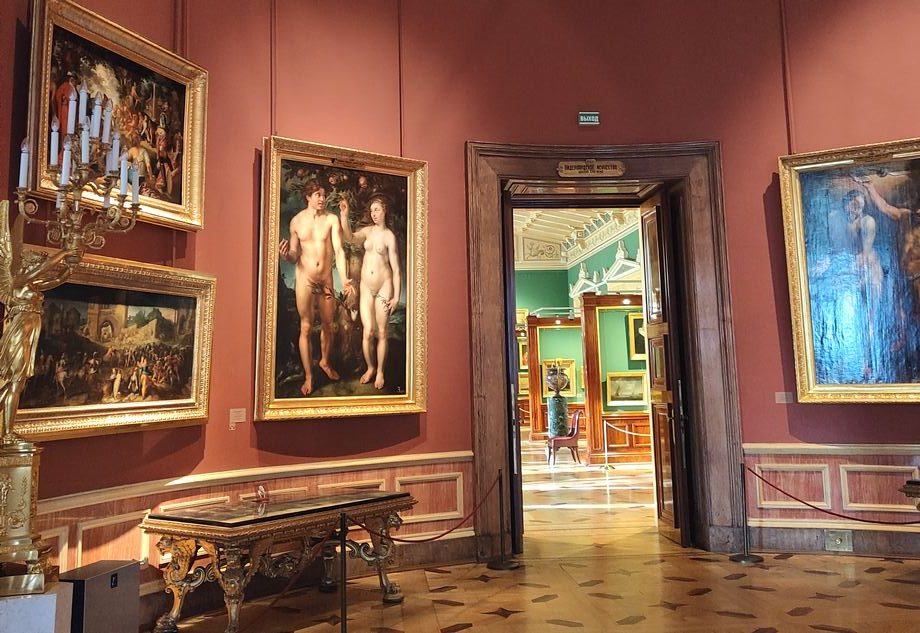
In 1764, a collection of valuable paintings was given to Russian Empress Catherine II from Berlin (as part of the indemnity paid after the war of 1756-1763).
They formed the core of the Empress’s private collection. Initially, this collection was housed in a wing of the Winter Palace called
The Hermitage (Small Hermitage, from the French word “hermitage”—a place of solitude). Between 1771 and 1787, a new building—the Great Hermitage—was constructed to house the collections.
Until the mid-19th century, only those close to the Tsar were allowed to visit the Hermitage Museum. In 1852, during the reign of Emperor Nicholas I, the Hermitage opened to the public.
At the end of the 19th century, the museum was visited by up to 50,000 people a year.
About the Museum
Currently, the Hermitage Museum is the most famous museum in St. Petersburg and one of the most renowned museums in Russia. Its collections offer a glimpse into the development of art from the Stone Age to the present day.
The museum houses a vast array of works of art from various periods and nations. The museum’s collections include a large number of objects related to the culture and history of humankind.
It is impossible to see all the museum’s exhibitions in a short time. It might be worth visiting the museum’s official website and mapping out the halls you’d like to visit. It’s helpful to consider what interests you most: paintings from various countries and eras, paintings by European Renaissance masters, paintings by Russian artists, ancient cultures, sculptures from ancient Greece, ancient Egypt, knightly armor and weapons, jewelry, and works of art.
Some of the Hermitage Museum’s Collections
Prehistoric Culture
The Hermitage holds approximately 2 million items related to ancient civilizations and the early Middle Ages. This is one of the finest collections in Russia. The museum’s collections span the Paleolithic and Iron Ages to the emergence of the first states. Here you can see female figurines and bird figurines crafted by humans approximately 20,000 years ago.
Culture and Art of the Ancient World
The Hermitage contains over 100,000 exhibits that offer insight into the culture and art of Ancient Greece, Ancient Italy, and Ancient Rome. The oldest items are approximately 5,000 years old. The collection includes ancient Greek and Italian vases, Roman sculptures, terracotta figurines from Greece, and gold objects.
Western European Art
The collection of Western European art comprises approximately 600,000 items. It is one of the finest collections in the world. Here you can see paintings and sculptures reflecting all stages of the development of Western European art from the Middle Ages to the present day. The museum houses works by artists from England, Germany, Holland, Spain, Italy, Flanders, France, and other Western European countries.
Russian Culture
The Hermitage Museum has a large collection of objects and works of art related to the culture of the Russian people.
The museum displays objects found at archaeological sites in Novgorod, Kyiv, Pskov, and other cities of Ancient Rus’.
You can also see a collection of icons and paintings by Russian artists. St. Petersburg is also home to the Russian Museum, which specializes in Russian art.
Antique Weapons
The Hermitage Museum’s collection presents the history of weaponry, from ancient times to the 20th century. The museum displays bladed weapons and firearms made by Russian and international craftsmen.
The collection of Western European weapons comprises over eight thousand items. Most of the exhibits on display in the museum are not only monuments to the development of technology and weapons, but also works of art.
The “Knights’ Hall” displays a large collection of medieval knightly armor and weapons of European knights.
If you are interested in weapons, we also recommend visiting the Artillery Museum and the Naval Museum.
Oriental Culture and Art
The Hermitage Museum contains a large number of exhibits related to the history and culture of the peoples of Asia and the Far East. Exhibitions dedicated to the peoples of the East contain approximately 180,000 items and occupy more than 50 halls.
The museum presents the culture and art of Ancient Egypt, Mesopotamia, Central Asia, the Caucasus, Byzantium, the countries of the Near and Far East, and India.
Numismatics
The Numismatics Department stores and displays coins, money, medals, orders, and badges. The museum has a large collection of ancient coins, including coins from various countries.
The Gallery of Treasures
The “Gallery of Treasures” collection received its name during the reign of Empress Catherine the Great in the 18th century.
Here you can see jewelry and other items crafted thousands of years ago. The collection consists of two sections: the Gold Treasure Room and the Diamond Treasure Room.
The museum’s collection contains approximately 1,500 gold items. The Diamond Treasure Room houses works of jewelry from various periods (from the 3rd millennium BC to the early 20th century).
Good to know
The museum’s exhibits are also located in the Winter Palace of Peter the Great, the Menshikov Palace, the Museum of the Imperial Porcelain Factory, and the General Staff Building.
First-time tourists usually choose the following route: enter the courtyard from Palace Square, pass through the turnstiles, take the stairs to the second floor, tour all the halls on the second floor, descend to the first floor, and explore the halls on the first floor.
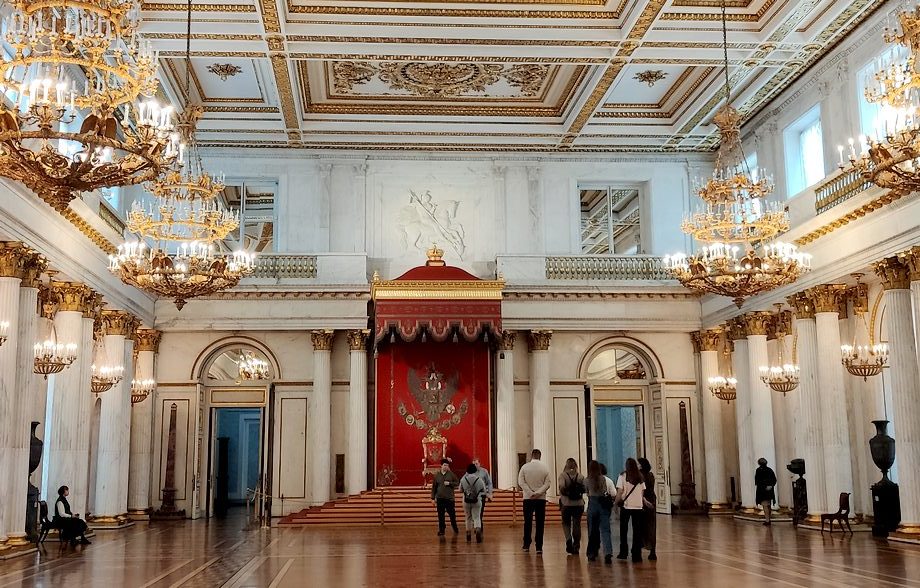
The Jordan Staircase is a favorite photo spot.
Exhibition centers of the St. Petersburg Hermitage Museum (2025):
- Hermitage-Vyborg Exhibition Center. Address: 1 Ladanova Street, Vyborg.
- Hermitage-Kazan Exhibition Center. Address: The Kremlin, Cadet School building, Kazan.
- Hermitage-Siberia Exhibition Center. Address: 4 Muzeynaya Street, Omsk.
- Hermitage-Ural Exhibition Center. Address: 11 Vaynera Street, Yekaterinburg.
- Hermitage-Eurasia Exhibition Center. Address: 8 Pravda Street, Orenburg.
The Hermitage is one of the largest museums in the world. Is its enormous size an advantage or a disadvantage? For visitors! Is this gigantic size a good or a bad thing? Wouldn’t it be more convenient for visitors if it were divided into several smaller museums? What do you think? Share your opinion on our social networks.